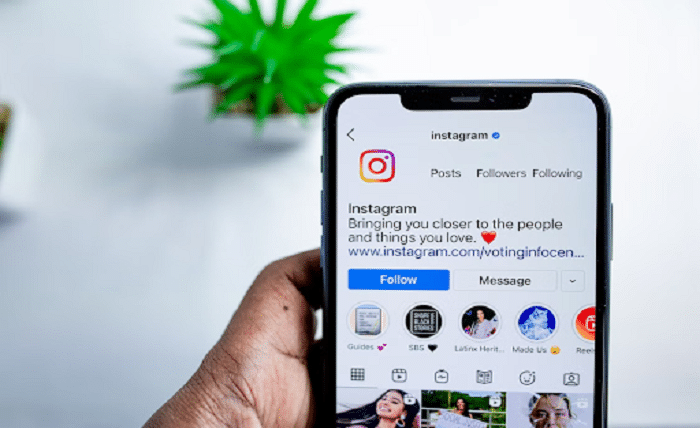
Instagram gives every account exactly one clickable line under the bio. Everything else on the platform is a swipe, a tap, or a screenshot away from that single URL. For a creator juggling a shop, a newsletter, a sponsor deal, and three side projects, that scarcity turns one modest text field into the most contested piece of digital real estate they own.
The fight is rarely dramatic, but it is constant. A brand manager wants the bio pointed at the new product drop. The creator wants it pointed at a personal site. A sponsor wants it pointed at whatever they paid for that month, and sometimes that destination is narrow and specific, like a page reviewing a particular bitcoin betting site that a sports-content account tested for its readers. Only one of those goals can occupy the slot at any given time.
Who Actually Controls the Slot
Ownership of the link is rarely as simple as “the account holder decides.” Agencies managing influencer contracts often have swap-in rights during a campaign window, changing the destination without touching the rest of the profile. Platforms themselves have nudged creators toward native tools – Instagram’s own “link sticker” in Stories, for instance, partially eased the pressure by giving temporary links a second home outside the bio.
Even so, the permanent bio link remains the default reference point people return to days or weeks after seeing a post. A Story link expires in 24 hours; the bio link does not. That difference in lifespan is why negotiations over it get so serious among teams managing six-figure follower counts, and the most common resolutions fall into a small set of patterns:
- Route the link to a personal landing page the creator fully controls, independent of any single sponsor.
- Use a rotating aggregator page that lists several destinations and lets the creator swap priority order weekly.
- Hand temporary control to whichever partner is running an active campaign, then revert afterward.
Aggregator Pages and Where the Clicks Actually Go
Tools built specifically for this scarcity problem – multi-link landing pages – now sit behind a large share of bio URLs on creator accounts. Instead of choosing one destination, the creator publishes a short menu: shop, latest video, newsletter, maybe a partner offer. Internal data shared by several of these tools puts average click-through on the top-listed item near 40%, with everything below the third slot rarely clearing single digits.
That drop-off is the real reason position fights happen. Being listed first on an aggregator page functions almost like owning the bio link outright, while being listed fourth barely registers. A sponsor negotiating placement is really negotiating rank, not just presence.
| Link type | Typical control | Rough click share |
| Direct bio link | Creator or agency | 100% of bio clicks |
| Aggregator, top slot | Negotiated | ~35-40% |
| Aggregator, third slot | Negotiated | ~8-10% |
| Story link sticker | Creator, temporary | Separate, 24-hour pool |
What Happens When the Wrong Destination Wins
Pointing the one link at the wrong thing has a measurable cost. A sponsor page with no context loses most visitors within seconds, because a follower who does not immediately understand why they landed there simply backs out. A creator who overwrites their storefront link mid-launch can lose a week of sales momentum before anyone notices the swap needs reverting.
One mid-sized fitness account learned this after routing its bio link to a one-off partner promotion for eleven days. Merchandise sales, normally steady, dropped by roughly a third for that stretch, and it took another two weeks of consistent posting to rebuild the habit of followers checking the link at all. Creators who manage the conflict well tend to follow a similar sequence:
- Rank destinations by how directly they serve the audience that clicked in the last 30 days.
- Set a fixed review date – weekly or biweekly – rather than swapping the link reactively.
- Log which destination was live during each swap, so a sales or traffic dip can be traced back to the decision.
Beyond Instagram: The Same Fight Elsewhere
TikTok, YouTube, and Threads run the identical scarcity model in slightly different clothing – a single bio field, or a short list capped at a handful of entries. The specifics change platform to platform, but the underlying negotiation stays the same: whoever controls that one line controls where attention goes next, and everyone with a stake in the account wants a say in the decision.