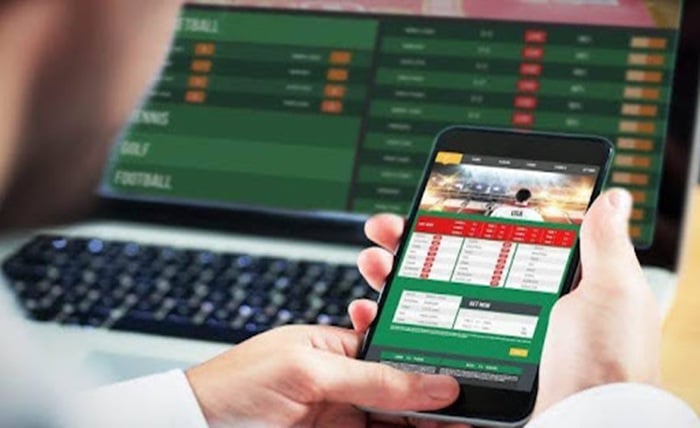
European bookmaker odds present three possible football results: a home win, a draw, or an away win. Although the display looks straightforward, each price reflects information about recent performances, available players, and the circumstances surrounding the fixture. Let tỷ lệ kèo explain these selections and the supporting information that helps readers develop a clearer understanding before kickoff.
Understanding European bookmaker odds
The European market is commonly called 1X2, with each symbol identifying a result within the specified settlement period. Understanding these symbols and their associated prices provides a foundation for reading the table without confusing an assessment with a confirmed outcome.
What the three symbols represent
In European bookmaker odds, the number 1 represents a home win, X represents a draw, and 2 represents an away win. Each selection carries a separate price, allowing readers to compare how the three possible results are assessed before the match begins. Check the stated settlement period when reading these selections, because the relevant rules determine which portion of the fixture counts toward the listed result.
What lower and higher prices indicate
A lower price generally identifies an outcome assessed as more likely than a selection carrying a higher price within the same market. This relationship helps readers recognize the favored result, but it does not establish what will actually happen once the players take the field. Compare all three prices together to understand the overall assessment, rather than using one isolated figure to describe the entire balance between the teams.
Why prices cannot guarantee results
When reviewing bookmaker odds, distinguish the information available before kickoff from the events that will eventually determine the result on the pitch. Red cards, injuries, individual mistakes, and unexpected incidents can change the direction of a match despite earlier expectations about either team. The table therefore serves as a reference for assessing the fixture, while the actual outcome remains dependent on what happens during the specified playing period.
Assessing the three available match outcomes
The three selections share one table, but each needs to be examined in relation to the circumstances of the fixture. Venue, recent performances, and the way both teams approach the match can affect how readers interpret each possible result.
Home wins and the value of familiar surroundings
When assessing European bookmaker odds, compare the home selection with the team’s performances at its own ground instead of relying only on league position. A side that regularly performs well there may control possession more effectively or maintain stronger pressure against visiting opponents throughout the game. However, that advantage needs closer examination when important players are unavailable or a crowded fixture schedule creates additional demands on the squad before the match.
Draws and the balance between the teams
The draw selection in European bookmaker odds deserves attention when the teams appear closely matched and both place considerable emphasis on maintaining a secure structure. Games with a slower tempo or fewer clear scoring opportunities provide relevant context when considering the possibility that neither side will finish ahead. Previous draws can contribute useful background, but they cannot confirm that the next meeting will follow the same pattern or produce an identical final score.
Away wins and performances on the road
The away selection in European bookmaker odds should be examined alongside the visiting team’s results and performances outside its familiar home environment. Even a strong side may encounter difficulties if it regularly starts slowly or allows opponents too many opportunities during away fixtures. Compare those tendencies with the home team’s characteristics, because the quality and approach of the particular opponent matter when judging whether previous away performances remain relevant.
Reading the market before each fixture
Reviewing European bookmaker odds works best when broader comparisons are followed by checks of specific, current match information. Recent and verifiable details help readers maintain a consistent assessment instead of changing their view after every minor update.
Compare prices and recent performances
Start by comparing the three 1X2 prices to identify which result receives the strongest assessment within the table at the time of viewing. Then examine each team’s latest five matches, considering the quality of its opponents rather than treating every victory, draw, or defeat as equally informative. If prices change, compare the updated figures with the available match information before deciding whether the movement supports a different interpretation of the fixture.
Check squad availability and fixture demands
Before drawing conclusions from tỷ lệ kèo nhà cái, review injuries, suspensions, and the expected availability of important players using information that can be verified. Examine the fixture schedule as well, since closely spaced matches may increase physical demands or influence decisions about rotating the starting lineup. Bringing these details together provides a clearer picture of the circumstances facing both teams, while reducing reliance on assumptions based entirely on reputation or earlier performances.
Conclusion
European bookmaker odds become easier to understand when the meanings of 1, X, and 2 are connected with the circumstances surrounding each fixture. Recent performances, venue records, squad availability, and scheduling all contribute useful information when comparing the two teams and examining the listed prices. Check current information consistently and maintain an objective view, remembering that no price guarantees the result of a football match.